

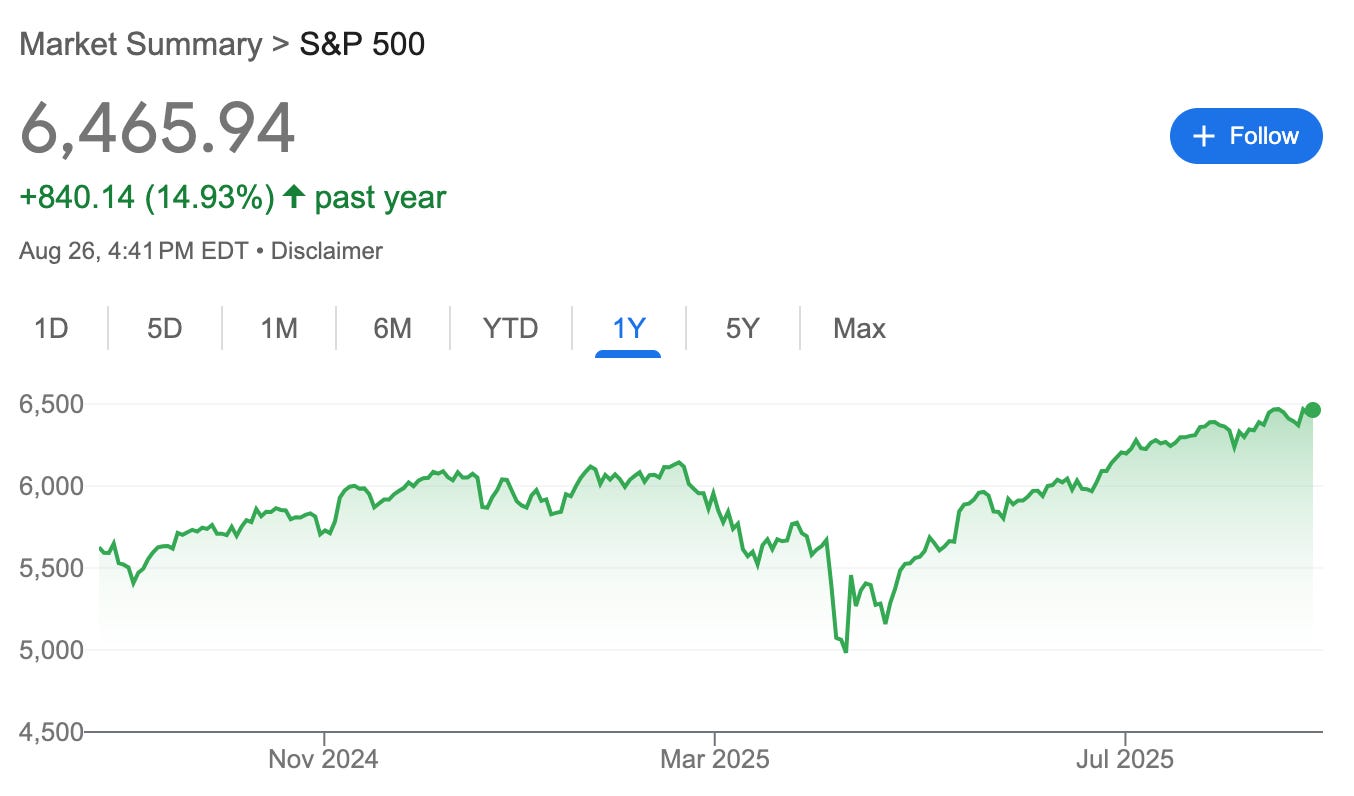
Only 57% of my subscribers are American, but when it comes to capital markets, the global benchmark is the S&P 500. How is it doing this year? Better than the historic average. Up almost 15% Y/Y.
To most Americans, the rest of the public equities of the world are of little interest. If you are American, do you even own shares in a company that isn’t listed on the NYSE or Nasdaq? If you wanted to, do you know how?
How about the non-Americans reading this? Do you own any shares in a company that isn’t listed in New York or your home stock exchange?
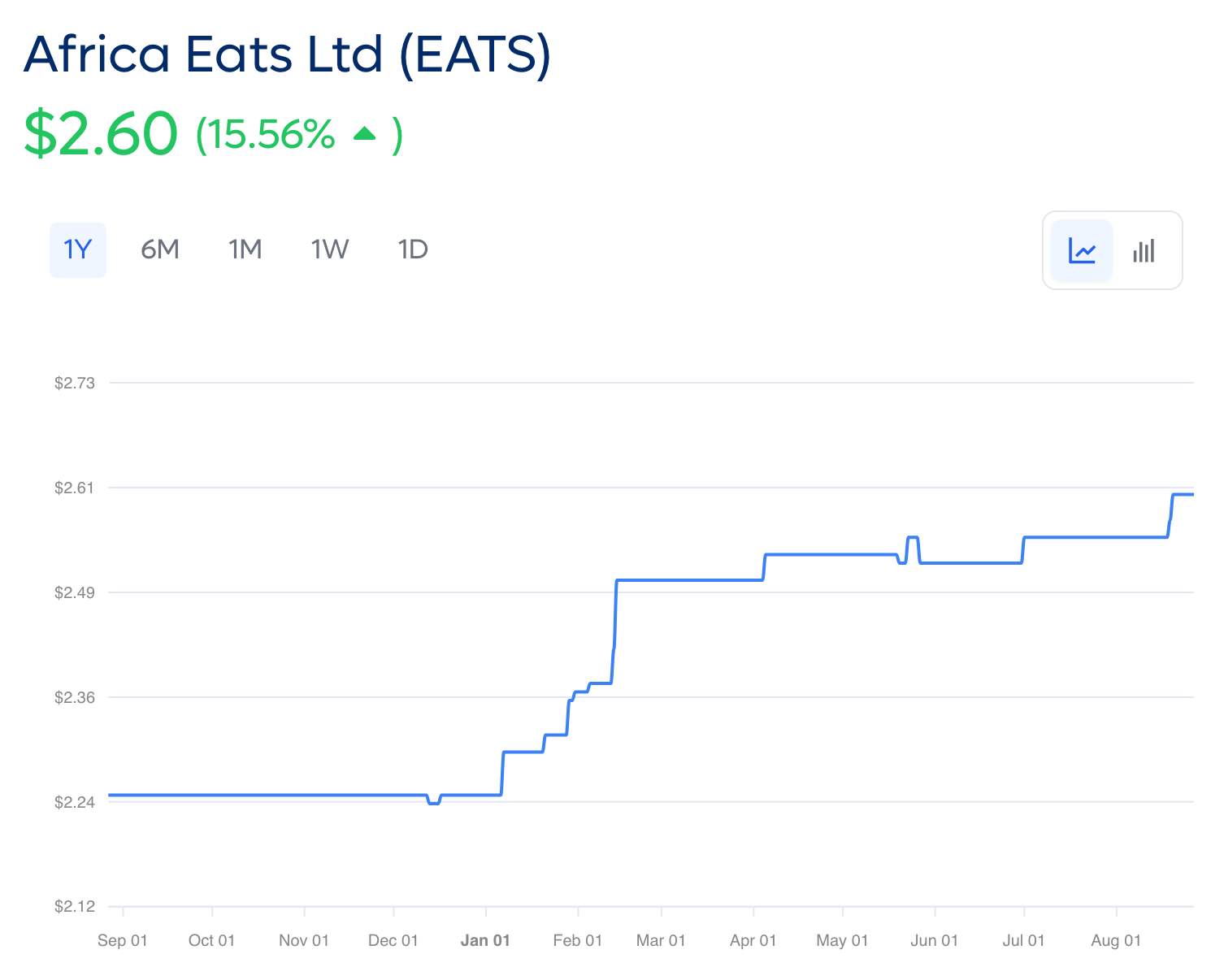
I do, but only in shares of Africa Eats, which were obtained from sweat equity rather than through my stock broker. (EATS happens to be beating the S&P 500, including the head start as the company didn’t even list until December.)
More and more I feel like I’m missing out on the other global listings. And that was before I came across the following table in the August issue of Africa Global Funds magazine:
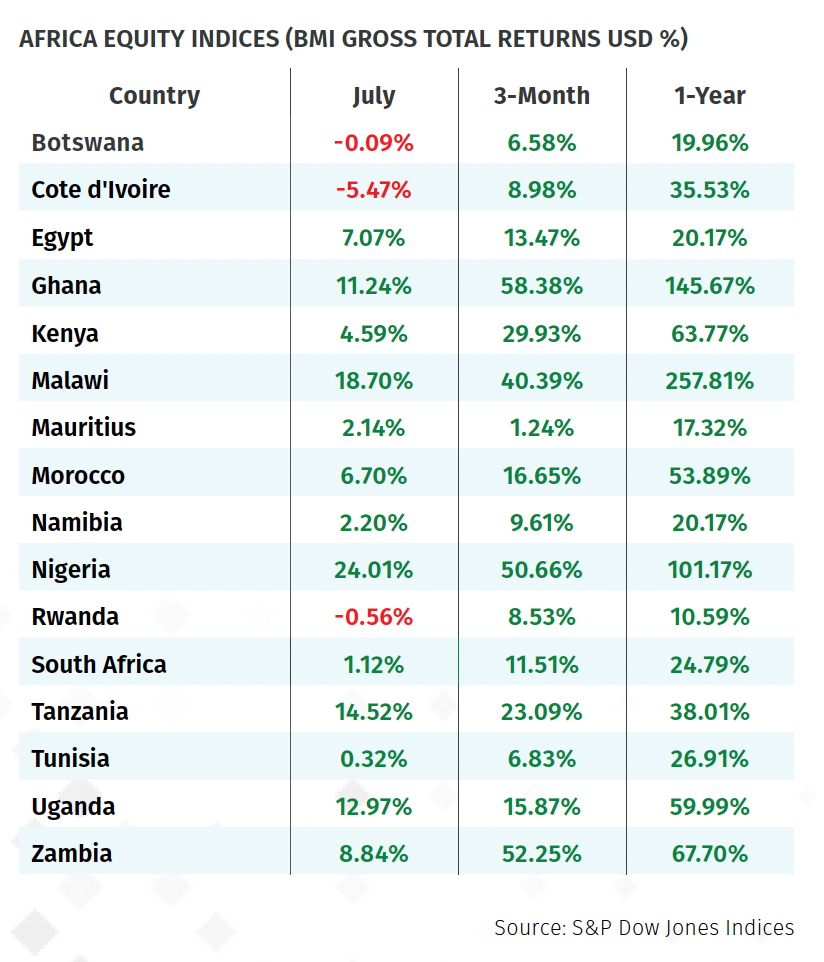
The challenge is how to invest in these markets. None of these listings are tradable on Fidelity, Schwab, or Vanguard. Nor on Robinhood. Nor even on Interactive Brokers.
As an entreprenuer, that seems like an opporutunity that needs filling. So another question to the audience… if it were easy to buy and sell the best of the stocks behind these growth rates, would you buy? Even if that meant opening an account outside yoru favorite broker?
Yep, I would. And it’s not just finding new growth opps but diversifying away from markets that are mostly correlated with each other. It’s a little dated but we did this paper that I’m sure is still mostly true https://papers.ssrn.com/sol3/papers.cfm?abstract_id=2233520
I tried buying the Nairobi stocks and it was a huge hassle. But 2x in 18 months so worth the trouble.
Btw I would have guessed that the stock increase was due to inflation but that seems to be true only in the case of Malawi… the rest are real gains.
Why do you think all the markets did so well even as trump cut aid…