

“Those who fail to learn from history are doomed to repeat it” may be true for politicians but far less true in investing, especially when the history we are trying to repeat are the 60-year returns of Warren Buffett or the the 13-year run of Peter Lynch and Fidelity’s Magellan Fund.
Peter Lynch managed that fund from 1977 to 1990, growing it at an annualized compounded rate of 29%. Each $1 invested in 1977 was worth $28.13 by 1990. In comparison, each $1 invested in the S&P 500 index in 1977 grew to only $6.60 by 1990.
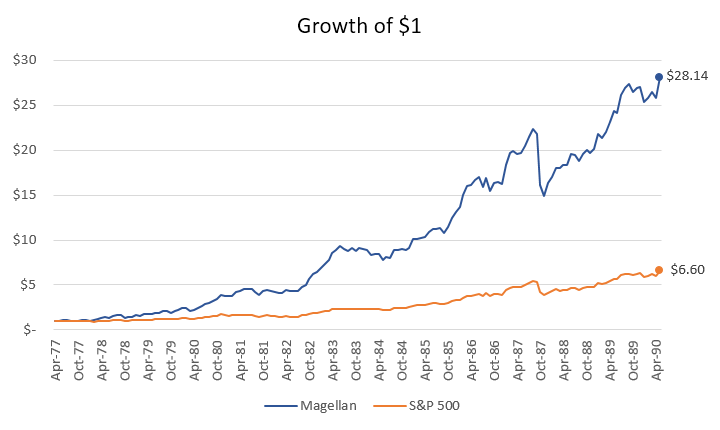
The common wisdom here in the 21st Century is that actively managed funds can have a few good years, but in the span of a decade or more, index funds will always do better. See www.investopedia.com/can-you-beat-sp-500-11738589 and hundreds of other articles confirming that advice.
Peter Lynch was exceptional, and he did that in part by determining which companies the market was underpricing, i.e. which companies had market values below their proper valuations. Lynch’s whole investment philosophy was explained in his book “One Up on Wall Street.” The metrics for his valuation methodology are:
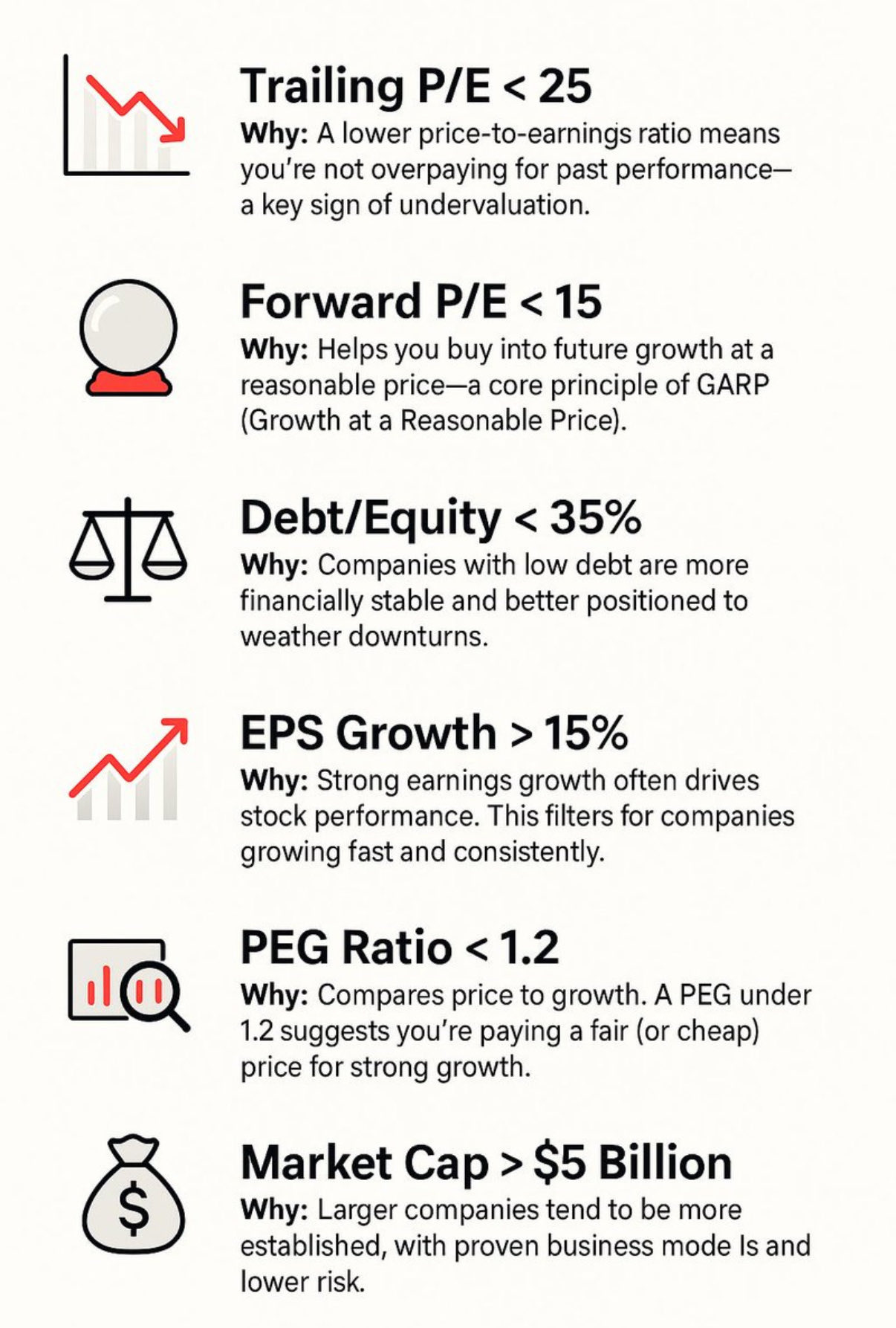
Or in short, he looked at far more than PE ratios, but none of these metrics measure cashflows, and only the PEG ratio looks at growth. So this doesn’t match any of the prior valuation methodologies in any of the past three posts in this series.
How to Value a Company?

What is any given company worth? That is a simple question with no definitive answer and no definitive method for answering. The best anyone can say is “it depends”.
How VCs Value a Company?

The first post in this series TL;DR is “it depends,” but valuation also depends on who you ask. Venture capital funds have their own unique way of valuing companies, which is far more about their business model than the companies that they are investing in.
Berkshire Hathaway is all about the Cashflow
What is any given company worth? That is a simple question with no definitive answer and no definitive method for answering. In Part 1 we learned “it depends” and in Part 2 we saw that sometimes it depends on the investor.