
Oceans and Empires

I had a lovely discussion late last night about the ends of empires. Quite an apt topic for an American newly returned from almost ten months not living in America, who in those travels, passed through at least five or six faded empires.
I say faded instead of fallen as people are still living in the cities of those empires. They are not ruins. They are not forgotten. But for most of them, their long ago faded legacies are all but ignored by modern society.
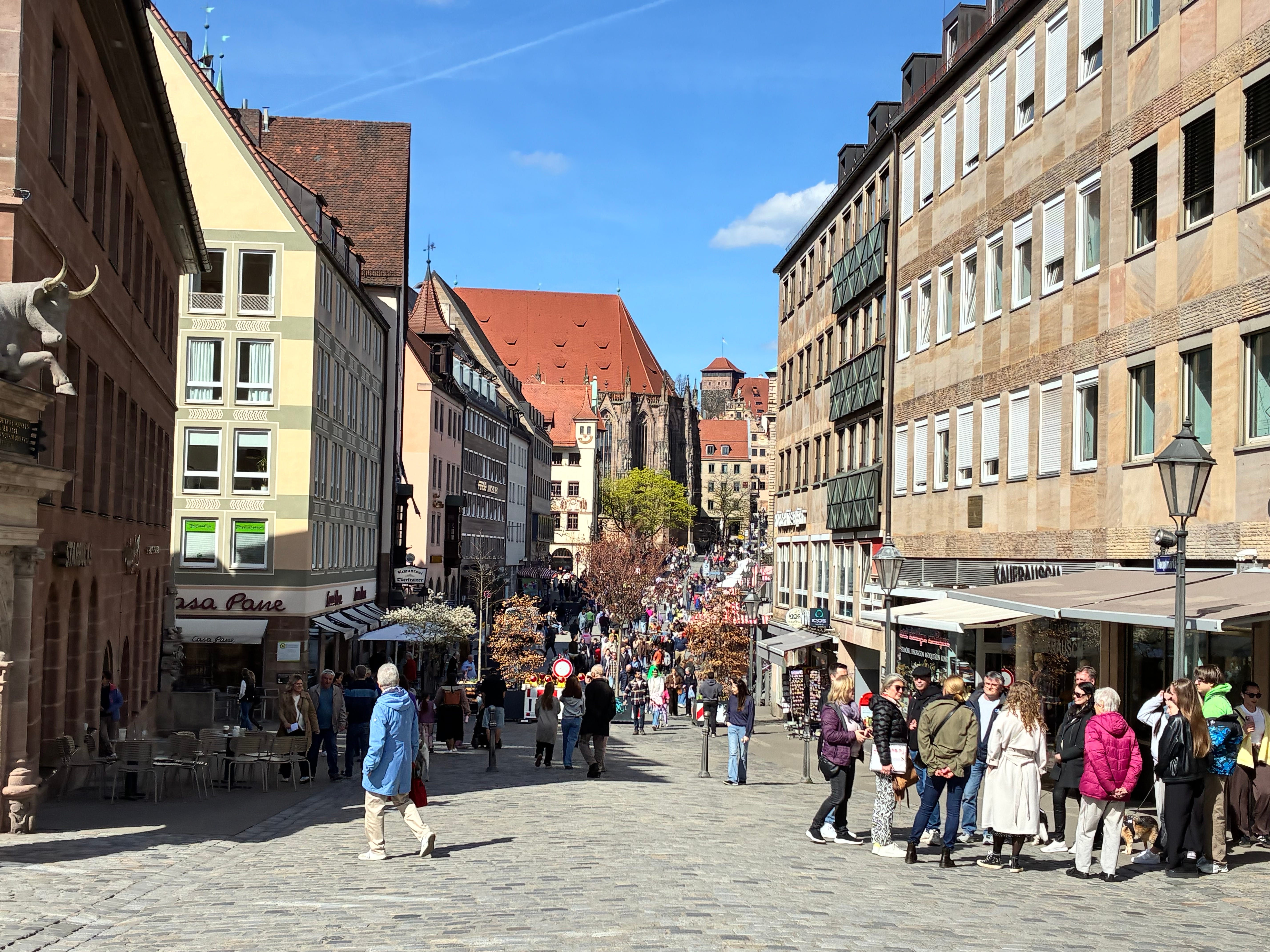
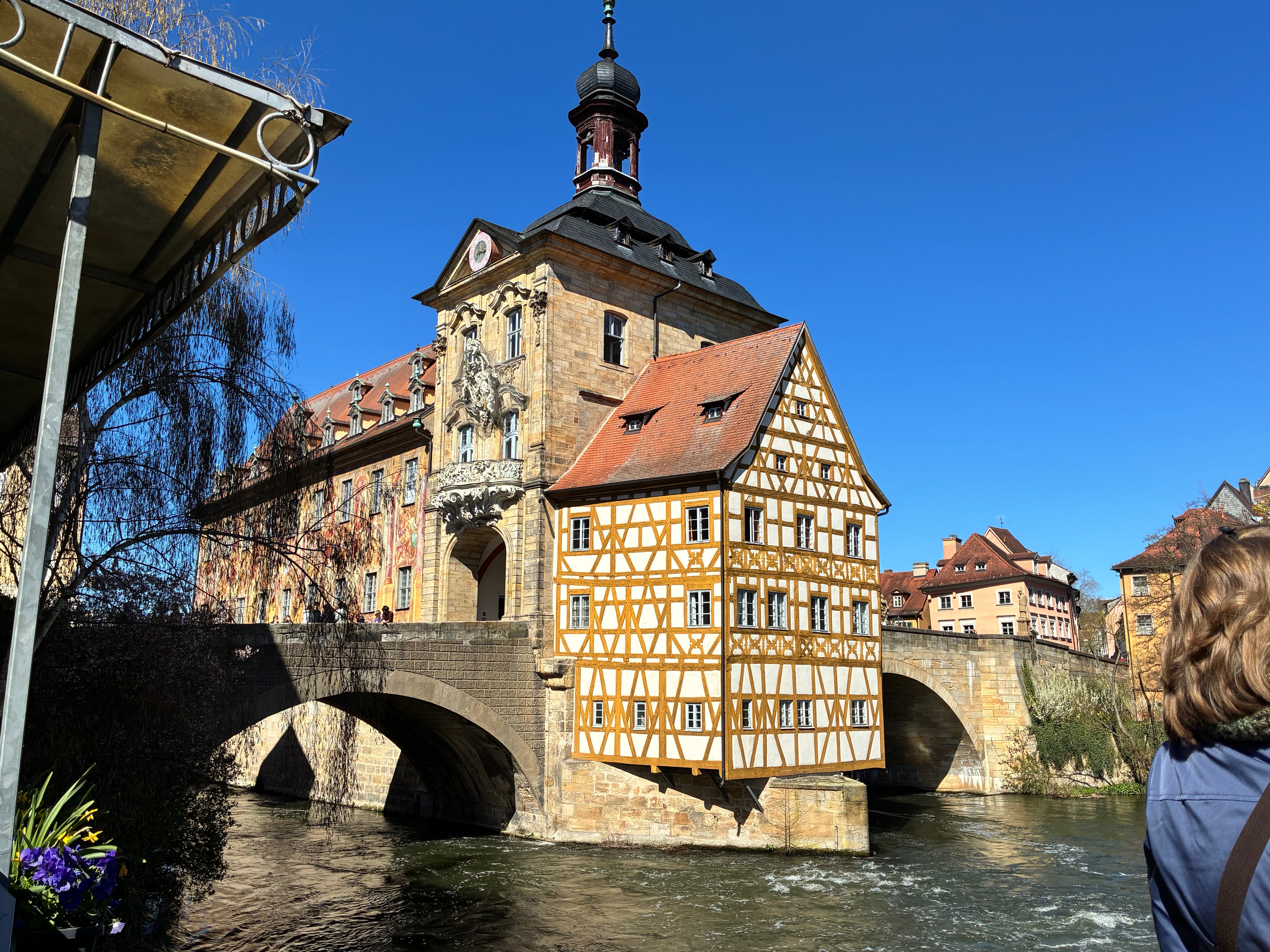
For example, the Holy Roman Empire. This was the dominant political power in Europe for hundreds of years. It existed for over 1,000 years. In my American public school education, we covered it for one lesson before skipping ahead to the Renaissance.
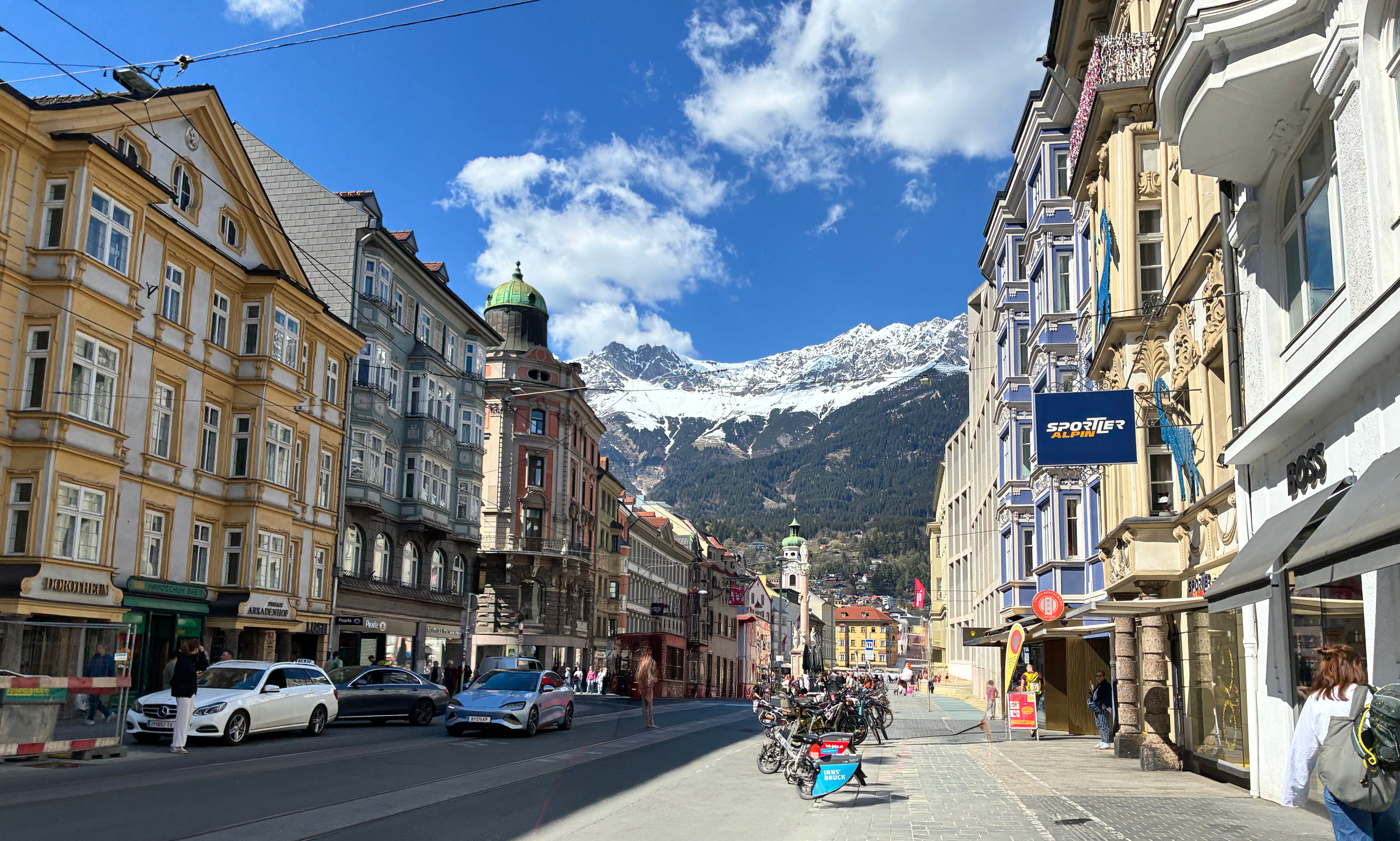
That empire ended when Napolean conquered much of it in 1804 and when the Hapsburgs broke off a big piece to create what later became the Austro-Hungarian Empire. I believe that empire was mentioned in a minute or two as being the cause of and on the wrong side of WWI.
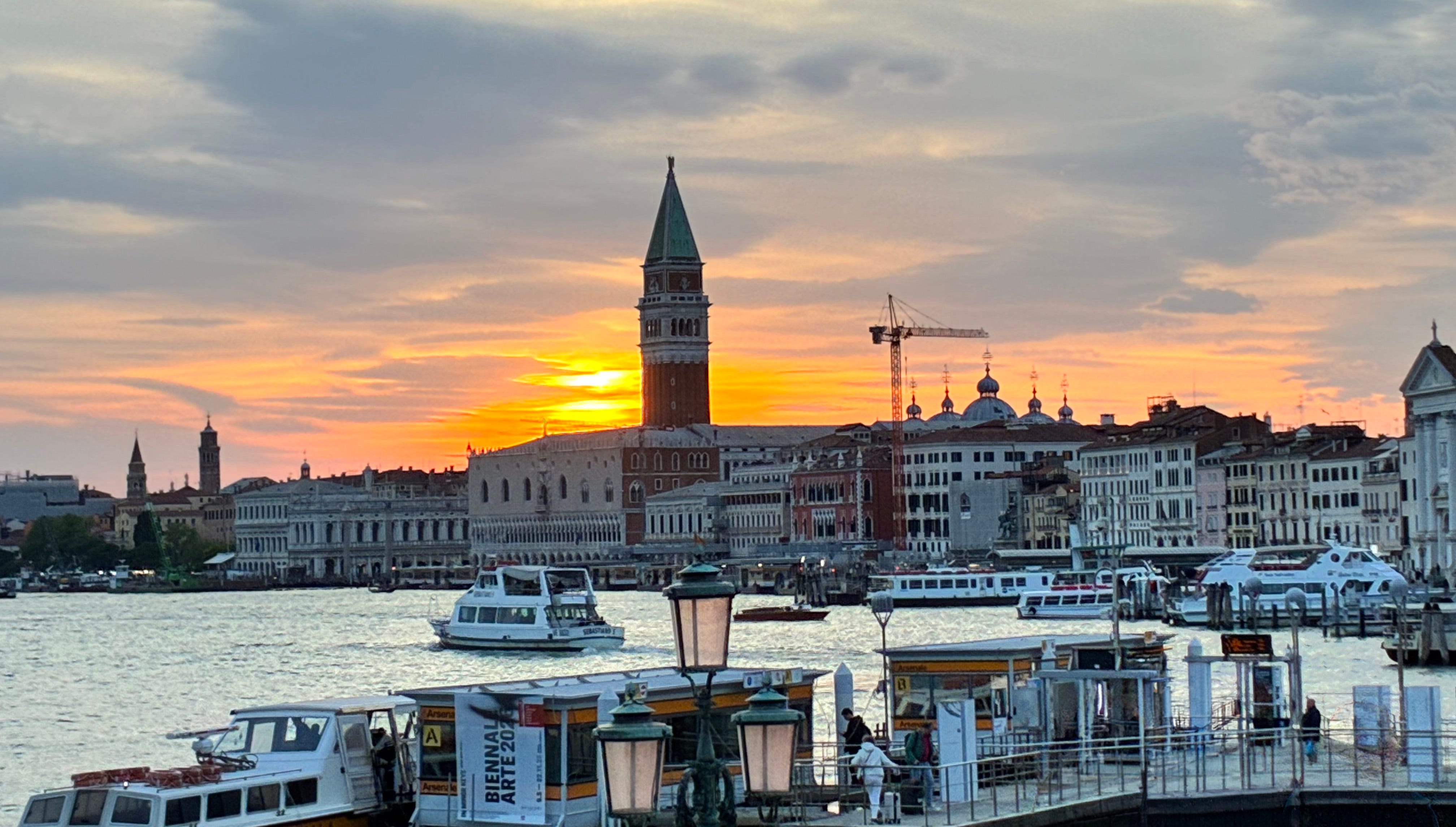
The Republic of Venice was not mentioned at all in my History classes, despite it being one of the leading economic powers of Europe in the hundreds of years leading up to and into the Renaissance. 1,100 years of continuous political rule now faded into a city-scale tourist attraction.
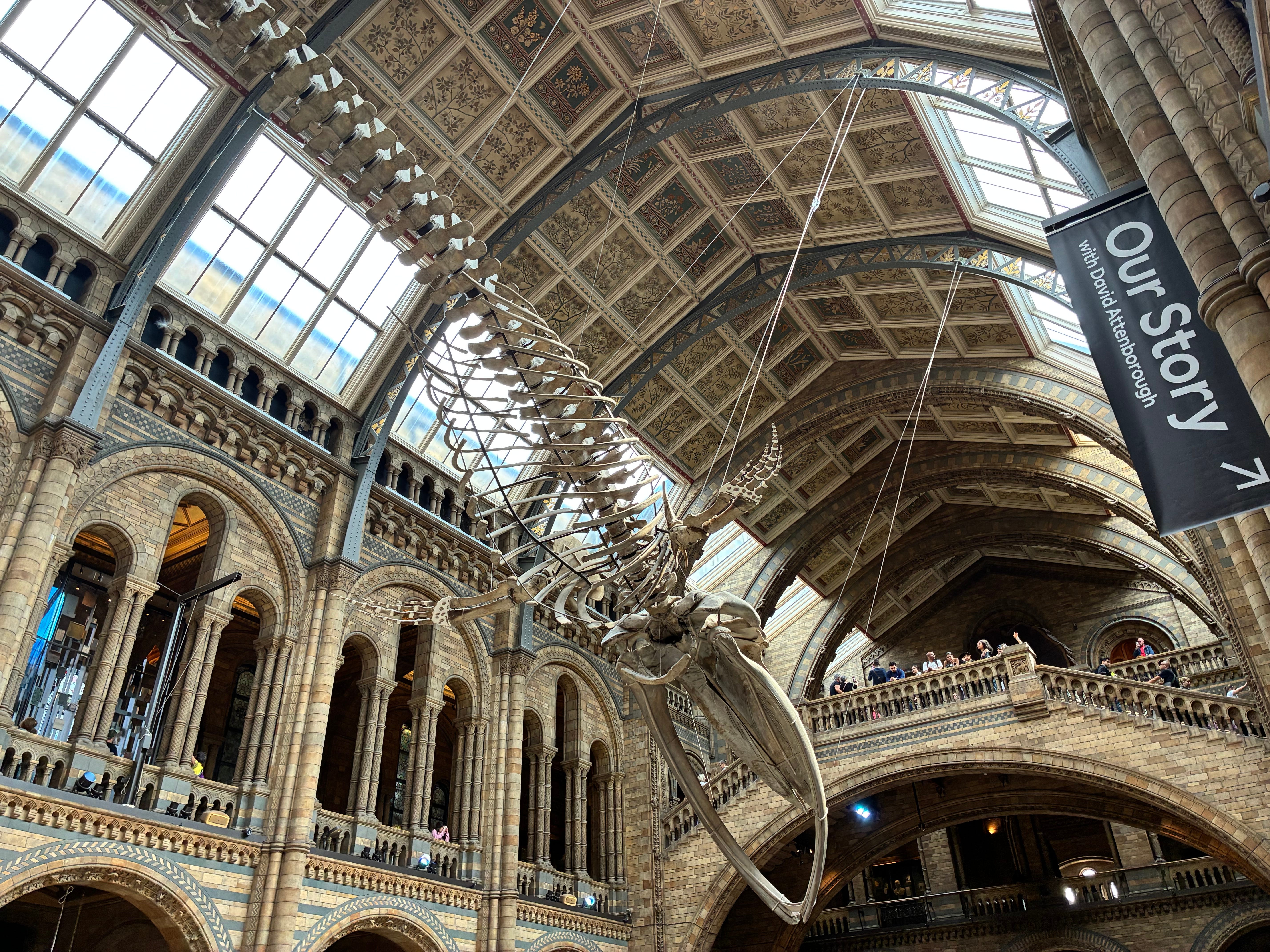
Oceans rise and empires fall. That is most obvious when visiting London, whose empire is still visible, but whose power is nearly all faded away. To an American, many of the buildings in that city feel old, when in reality most were built after the three other empires mentioned previously were already declared fallen.
The question that remains for me is what knowledge was lost through ignoring so manyt past empires? How many lessons are left unlearned because we (Americans) only teach our children of Athens and Rome, a bit of the Age of Exploration, and then skip ahead past numerous empires to the 20th Century at the transition from the British Empire to the American Hegemony?
And what lessons should we know about fading empires, as the world transitions once again?
Around the World in 288 days

I’m finally home after 288 days of travel. To be pedantic, more “there and back again” vs. “around the world” as we traveled out from Seattle to London, Mauritius, South Africa, Kenya, and then back through Europe to London to Seattle. But we did travel over 45,000 km (28,000 miles), which is farther than circling the globe.
Surprised you're not quoting Ray Dalio on empires and the Changing World Order
https://www.youtube.com/watch?v=xguam0TKMw8